Menopause After 40: Why Your Labs Are “Normal” But You Don’t Feel Like Yourself
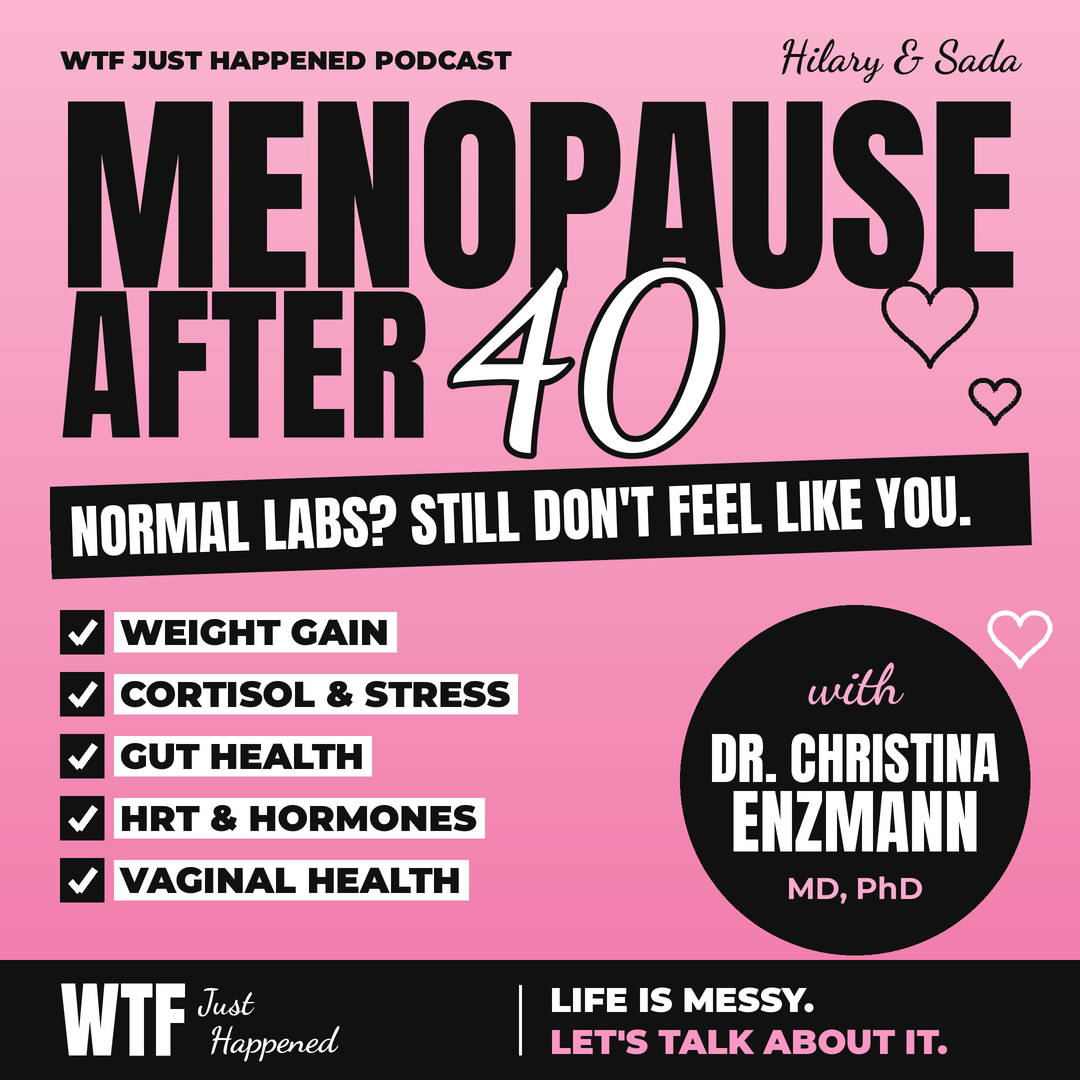
If you’ve ever walked out of a doctor’s appointment with “your labs look normal” ringing in your ears while you feel anything but normal, this one’s for you.
In our newest episode, Sada and I sat down with Dr. Christina Enzmann, MD, PhD, a board-certified gynecologist and certified menopause specialist. She blends evidence-based medicine with functional medicine, and she went through perimenopause herself starting around 45. So she gets it, personally and professionally.
Menopause Isn’t Just About Hormones
One of the first things Dr. Enzmann said stopped us in our tracks. She calls menopause “a neuroendocrine and metabolic event.” In other words, it’s not just your estrogen packing its bags. It affects your brain, your stress response, your gut, and how your body handles food and fat.
That explains a lot about why so many of us feel like our bodies changed the rules overnight.
Why Midlife Weight Gain Is So Stubborn
I’ll be honest: I’m 56, and over the last several months I’ve gained 12 to 15 pounds, almost all of it around my middle. I’ve always had stubborn belly fat, and now it feels like it has moved in permanently.
Dr. Enzmann explained why. Estrogen helps your body respond to insulin. As estrogen drops, your cells respond less well, so your body is more likely to store carbs as fat, especially around your belly.
And here’s the part that frustrated me: eating less and working out harder can backfire. When you undereat and overtrain, your body can read it as stress, slow your metabolism and hold on tighter.
What she recommends instead:
- Strength training two to three times a week to build muscle
- Getting enough sleep
- Filling your plate with vegetables and greens
- Not overtraining
- Managing stress
Meet the “CEO” of Your Midlife Symptoms: Cortisol
This was the biggest lightbulb moment of the conversation. Dr. Enzmann calls cortisol, your stress hormone, “the CEO” of midlife symptoms.
Stress isn’t just a hard day at work. It’s also:
- Not eating enough
- Overexercising
- Inflammation in your gut
- Never sitting down to rest
Her words: “You cannot, even for your belly fat, you cannot override your cortisol.”
My Oura ring tells me I’m stressed pretty much all the time. Apparently, my ring and Dr. Enzmann agree.
Your Gut Changes in Menopause, Too
Did you know some of the bacteria in your gut depend on estrogen? As estrogen declines, your gut changes, which is one reason some women develop IBS-type symptoms in midlife.
Dr. Enzmann’s suggestions:
- Eat more fiber and a wide variety of plants. Many women get only 15 to 20 grams of fiber a day, and she suggests aiming for at least 35.
- Slow down and eat calmly, not in the car or standing over the sink.
- Don’t assume everyone needs a probiotic. Some can make bloating worse.
Coffee and Wine: The Hard Truth
Sada has been struggling with sleep, even with melatonin and a no-phone bedtime routine. Dr. Enzmann’s question: how much coffee are you drinking?
She suggested trying a month off coffee, or at least not drinking it on an empty stomach, since it can affect your stress hormones, your sleep and your gut.
Alcohol got a similar talk. It can irritate your gut and make hot flashes worse. Her suggestion: take four weeks off, then see how your body feels when you bring it back.
We’re both cutting back on coffee. Wish us luck.
Hormone Therapy: Questions to Ask Your Doctor
We talked a lot about hormone therapy (HRT), and Dr. Enzmann shared how she thinks about it:
- Progesterone often comes first, especially for sleep, mood and irregular cycles.
- Estrogen can be added when hot flashes and other symptoms show up.
- She prefers FDA-approved options (patches, pills, sprays and rings) over compounded creams, because compounded products can vary in how much hormone they actually contain.
I tried testosterone and honestly didn’t notice much of a difference. Dr. Enzmann said the research on testosterone for fatigue, weight or mood is limited, though it may help with low sexual desire.
It’s Never Too Late for Vaginal Health
Dryness, painful sex and recurring UTIs are not something you just have to live with. Dr. Enzmann said low-dose vaginal estrogen is FDA-approved, can be used long-term, and that it’s never too late to start. Ask your doctor about it.
The Bottom Line: We Are Not Supposed to Suffer
If there’s one thing we want you to take away from this episode, it’s what Dr. Enzmann told us: “We are not supposed to suffer.”
If your labs are “normal” but you don’t feel like yourself, keep asking questions. Find a doctor who listens. You deserve answers.
Listen to the Full Episode
🎧 Watch or listen to our full conversation with Dr. Christina Enzmann here: https://www.wtfjusthappenedpodcast.com/s2e20
📋 Get Dr. Enzmann’s free Midlife Health Reset Guide: https://keap.page/czy746/midlife-health-reset-guide.html
🩺 Learn more about Dr. Enzmann: https://drchristinaenzmann.com/
This post is for informational purposes only and isn’t medical advice. Please talk with your own doctor before making changes to medications, hormones, supplements or diet.
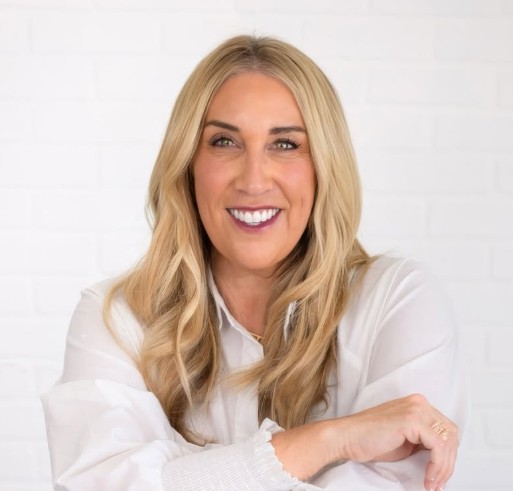
Co-Host of WTF Just Happened? Podcast
Hilary Brophy is co-host of WTF Just Happened? After financial betrayal ended her 16-year marriage, Hilary found herself rebuilding while raising three daughters—rediscovering who she was, learning to trust again, blending a family, and creating a life she never expected but now wouldn’t trade.
She brings that lived experience, along with plenty of humor and zero judgment, to honest conversations about divorce, relationships, friendship, parenting, hormones, starting over, and all the unexpected WTF moments of midlife.
Hilary believes healing doesn’t have to look perfect. Sometimes it looks like tears, sometimes laughter—and most days, a little of both.
Sex After 40: Intimacy, Desire, Sex Toys & What Nobody Talks About